Living with light: a Finnish approach to design, nature and seasonal rhythms
At northern latitudes, the rhythm of the seasons brings dramatic shifts not only in temperatures but also in the amount and quality of light. In Finland, this interplay has become a defining part of both everyday life and design culture. Here, the choreography of brightness and shadow scripted by the seasons shapes how people move, gather and rest. Winter narrows daylight to a fine, silvery thread; summer opens it into an endless field. This continual change encourages a sensitivity to light that influences everything from architectural decisions to material choices and the way interiors are experienced. It is within this context that Finnish design has evolved: calm, thoughtful and marked by a certain humility before nature’s presence.
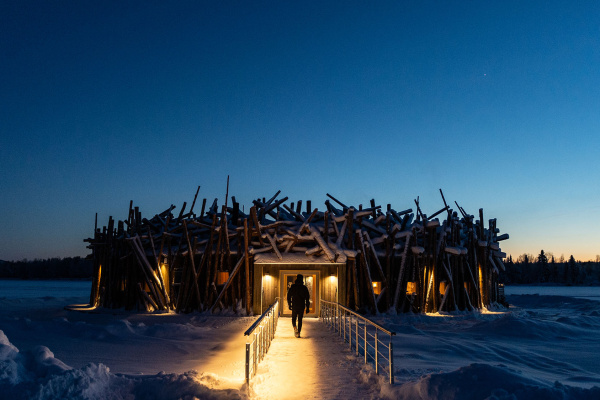
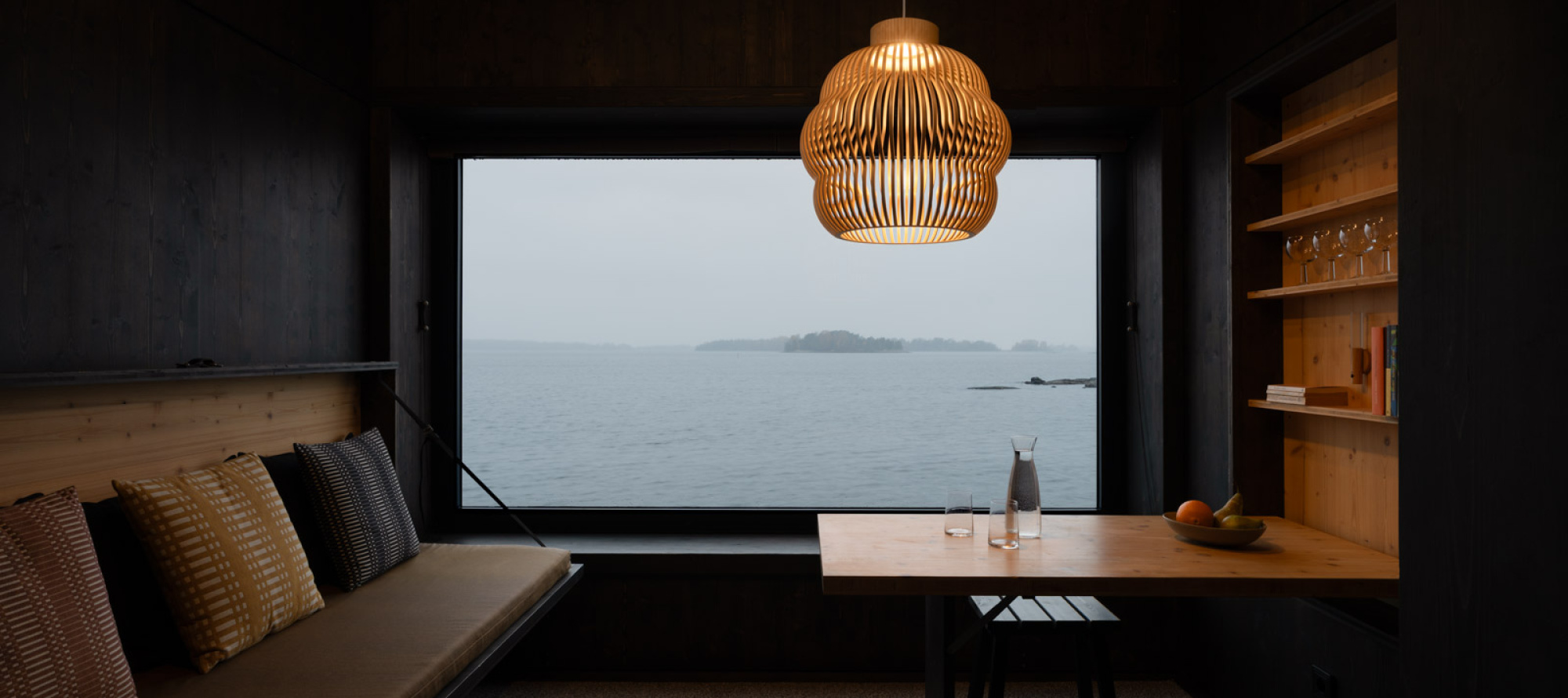
This dialogue between people and the environment is visible across many interpretations of Finnish architecture, but it is captured with particular clarity at the Majamaja off-grid retreat in the eastern archipelago of Helsinki. Created by Littow Architects as a compact holiday lodging connected directly to its surroundings, Majamaja distils landscape, materiality and human scale into a quiet experience of Nordic living. Its wooden structures, perched lightly on the granite shoreline, frame the expanse of sea and sky in a way that feels both modest and generous. While Secto Design’s luminaires are not part of the permanent interiors, the photographs captured there by Antti Laine reveal a natural affinity: an atmosphere in which wood, gentle light and architectural restraint speak the same language.
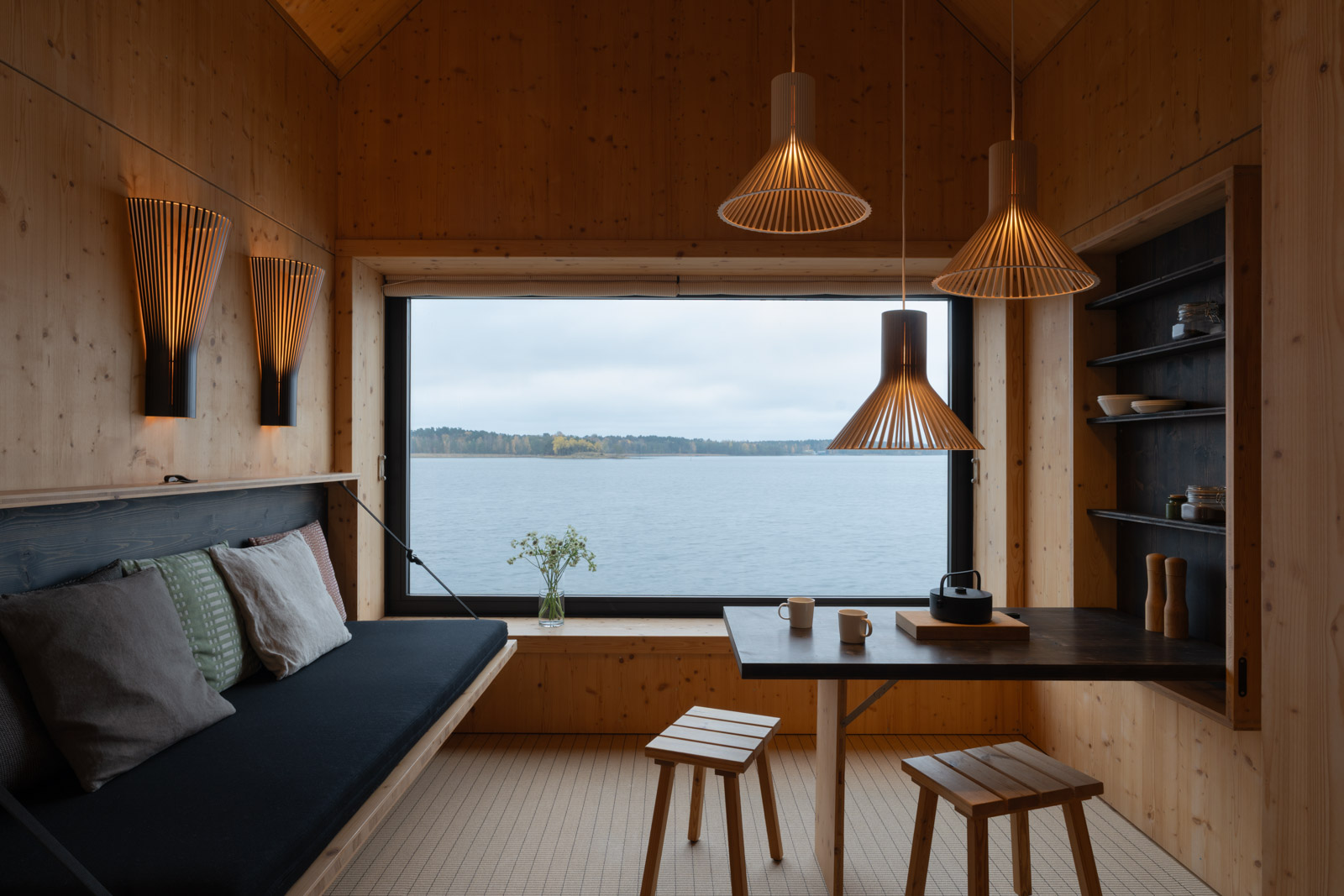
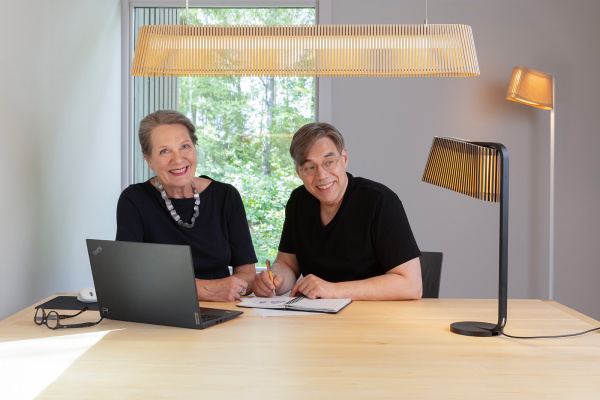
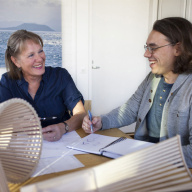
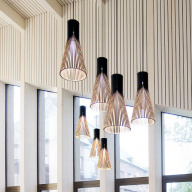
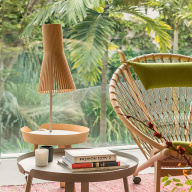
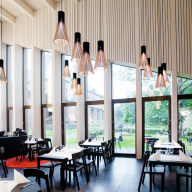
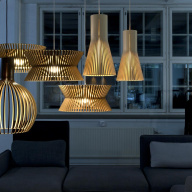
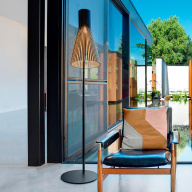
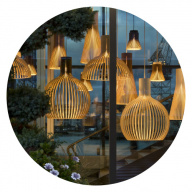
The slatted forms, the natural material and the warm glow of Secto Design lamps support the interior without dominating it or obstructing the view.
Light as a material
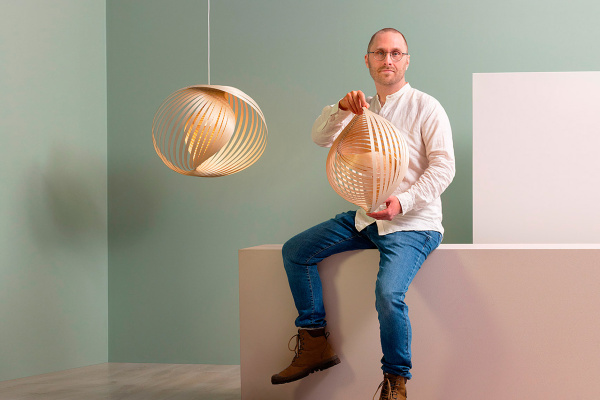
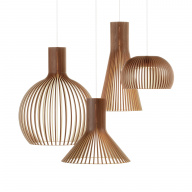
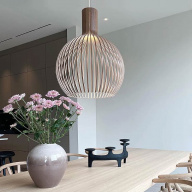
In Finland, light is not merely something that fills a space; it behaves almost as a material in its own right. The low angle of the sun in winter casts long shadows, which create a quiet yet expressive atmosphere. This phenomenon has influenced the work of architect and designer Seppo Koho, who has conceived most of the luminaires in the Secto Design collection. In contrast, the long days of the Finnish summer often reduce the need for artificial lighting, which is why Koho believes that lamps should look as considered unlit as they do when glowing. Their forms must sit naturally within an interior, merging with the architecture rather than dominating it. This thinking is embedded in the slatted birch shades of Secto Design’s luminaires: they diffuse light gently in the darker months, and in summer they remain visually light enough not to obstruct views or break the continuity between interior and landscape. The intention remains constant – to create surroundings that feel balanced and grounded, whatever the season brings.
The use of wood reinforces this sensibility. Timber has long been a trusted material in Finnish architecture, valued for its renewability, its tactile warmth and the sense of wellbeing it fosters. Majamaja embraces this tradition through its lightly structured wooden cabins, which sit quietly on the shoreline and weather naturally with the seasons, reinforcing the idea that built environments can coexist gently with their surroundings.
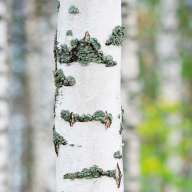
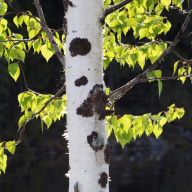
For Secto Design, wood is a defining part of the lighting experience. The lampshades are handmade from PEFC-certified, locally sourced birch, whose pale interior surface reflects light softly from within. The light source is positioned to prevent glare, supporting a gentle, comfortable illumination throughout the darker months. Whether the exterior is left natural or finished with muted tones, the intention remains the same: to preserve visual lightness and allow the luminaire to merge within the interior.
Although Majamaja’s cabins and Secto Design’s luminaires serve different purposes, both are grounded in the belief that natural materials contribute to emotional value as well as environmental responsibility. In today’s global conversations on sustainable design, this alignment reflects a distinctly Finnish approach — one that sees wood as a material capable of supporting both ecological goals and human wellbeing, forming the basis of truly sustainable lighting in a Nordic context.

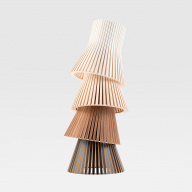
The Secto Small wall lamp forms a lighthouse-like silhouette that gently beckons you closer.
Design in dialogue with nature
What unites Majamaja and Secto Design is not a shared project, but a shared philosophy. Both respond to nature as an equal partner in design, not as a backdrop. Majamaja’s architecture invites residents to slow down and notice the subtleties of weather, water and light, presenting off-grid living not as an escape but as an immersion. Secto Design’s luminaires, though intended for a wide range of interior contexts, reflect the same clarity. They are designed to complement their environment, not dominate it, offering illumination that supports wellbeing in a quiet, unobtrusive way.
This connection extends naturally to sustainability. Majamaja’s off-grid systems reduce the environmental footprint of the retreat, presenting an alternative model for compact, responsible living. At Secto Design, sustainability is approached through careful material sourcing and low-waste production methods, supported by transparent reporting through a Life Cycle Assessment and Environmental Product Declarations. The result is an emphasis on longevity, repairability and environmental stewardship without compromising aesthetic quality. Together, these examples demonstrate that sustainability in Nordic design is not an external obligation but an inherent part of how materials are handled and how spaces are shaped.

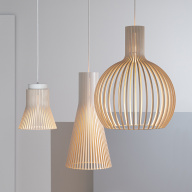
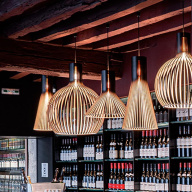
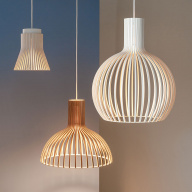
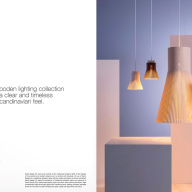
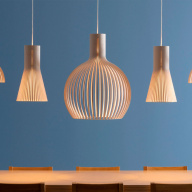
The Adilo pendant lamp, made from ultra-thin birch veneer, shapes a quietly captivating ambience.
A Nordic rhythm
The scenes captured at Majamaja illustrate a rhythm familiar to many Finns: interiors that feel sheltered yet open, architecture that steps back so nature can step forward, and lighting that supports both focus and rest. In this rhythm, design becomes a way to maintain harmony with the changing seasons. It acknowledges that a well-placed window can be as important as a well-designed luminaire, and that the softness of wood can influence how light is perceived. For architects and designers exploring ways to integrate nature into contemporary environments, the Nordic approach offers an example rooted in lived experience rather than trend.
As global interest in sustainable interior design and natural material lighting continues to grow, Finnish design philosophy feels increasingly resonant. Majamaja demonstrates how even the smallest dwellings can foster a meaningful connection to place, while Secto Design shows how lighting can enhance that relationship through sensitivity rather than spectacle. Both express a quiet confidence in the idea that design does not need to shout to be heard.
Ultimately, living with light in Finland is an ongoing conversation between people, materials and the natural world. It is shaped by seasons, tempered by restraint and enriched by the presence of wood and warmth. When these elements come together, they create environments that feel not only functional but profoundly human — places where simplicity becomes a source of comfort and where light, in all its forms, has room to breathe, reflecting the essence of authentic Nordic lighting and design with purpose.
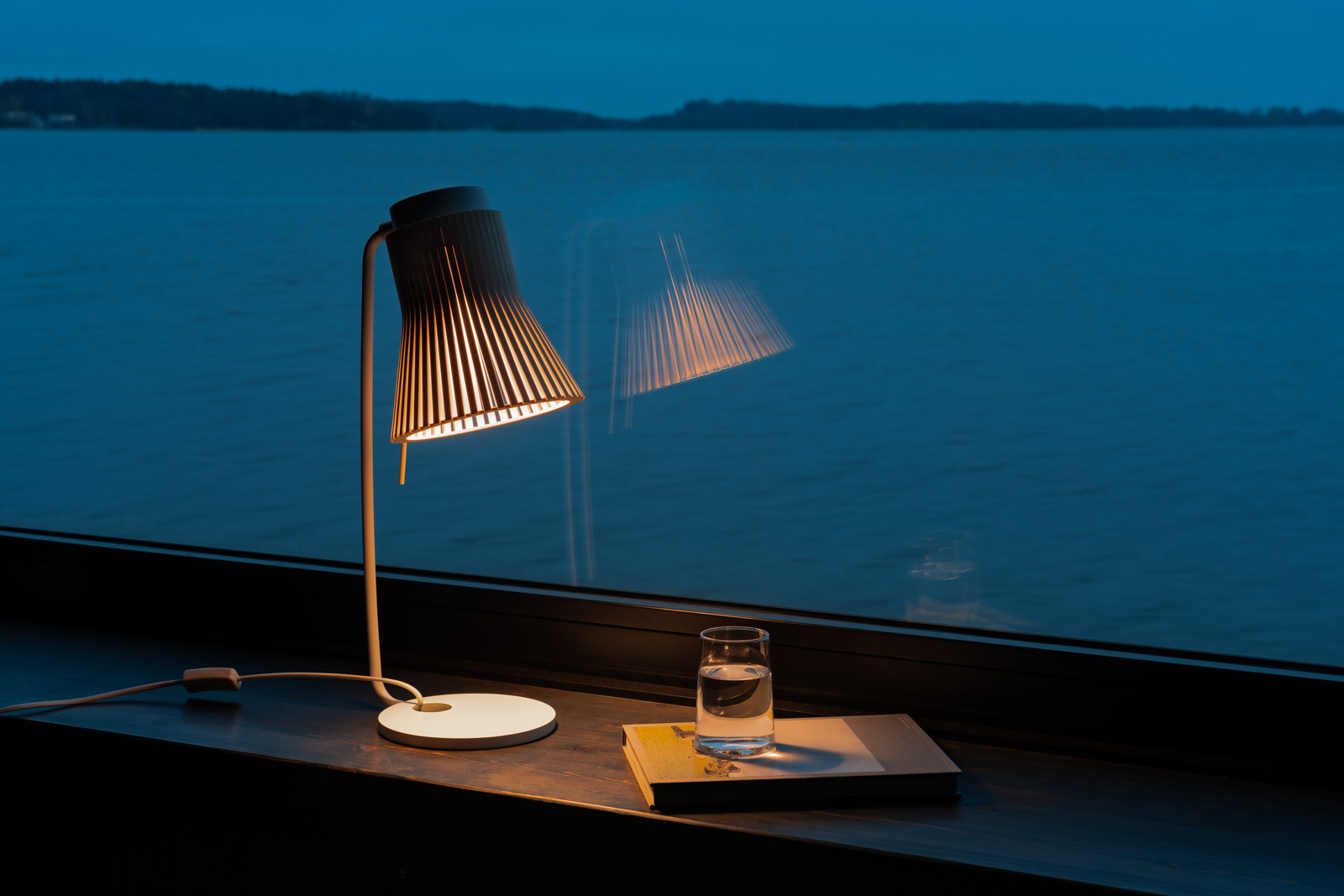
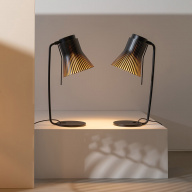
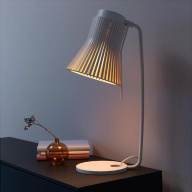
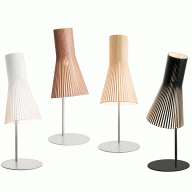
When the blue hour begins, the gentle light of the compact Petite table lamp offers a subtle reminder that it’s time to unwind.
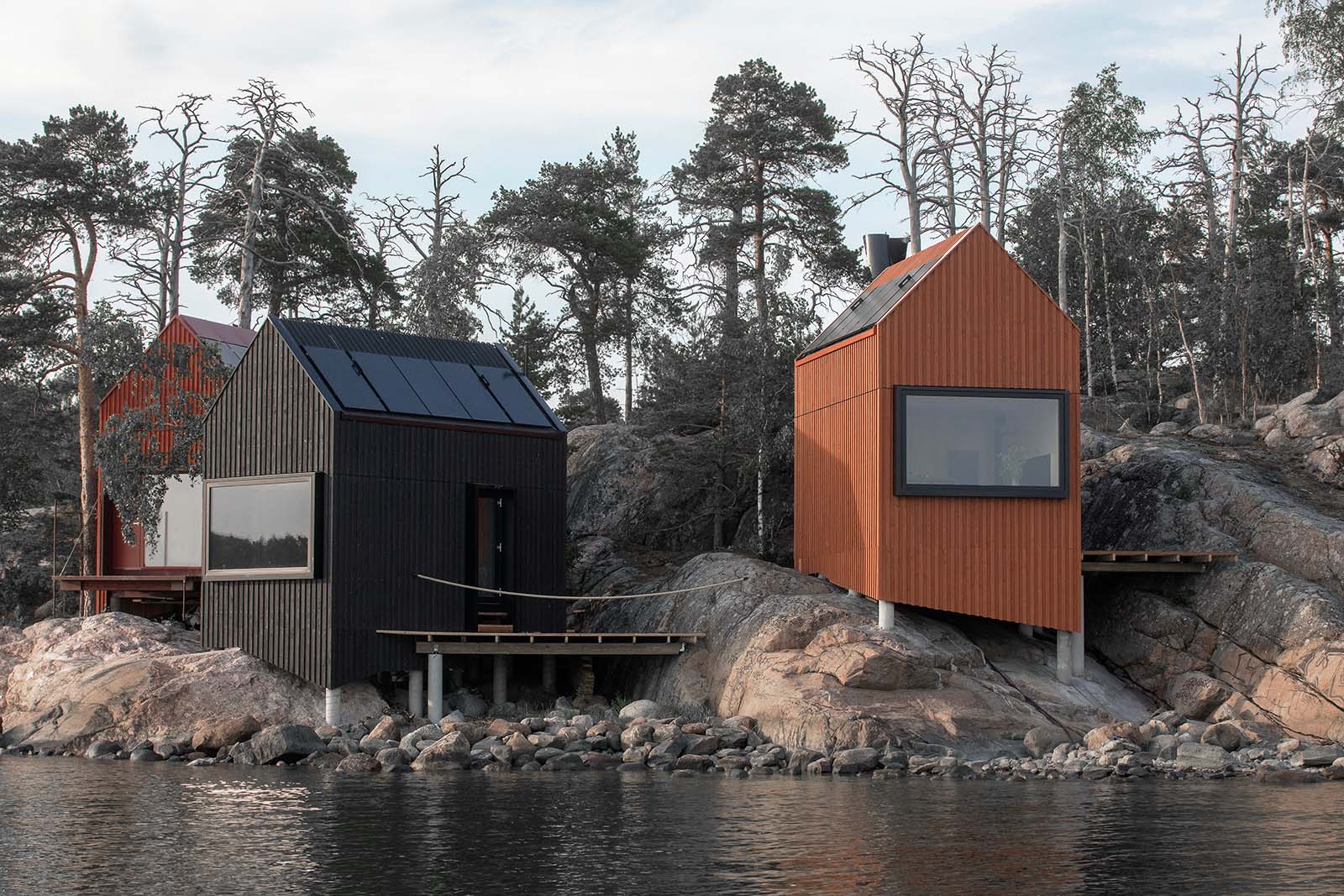
Majamaja cabins resting on the shoreline, their wooden structures blending quietly with the rocks, sea and surrounding archipelago landscape.
Photo by Chikako Harada.